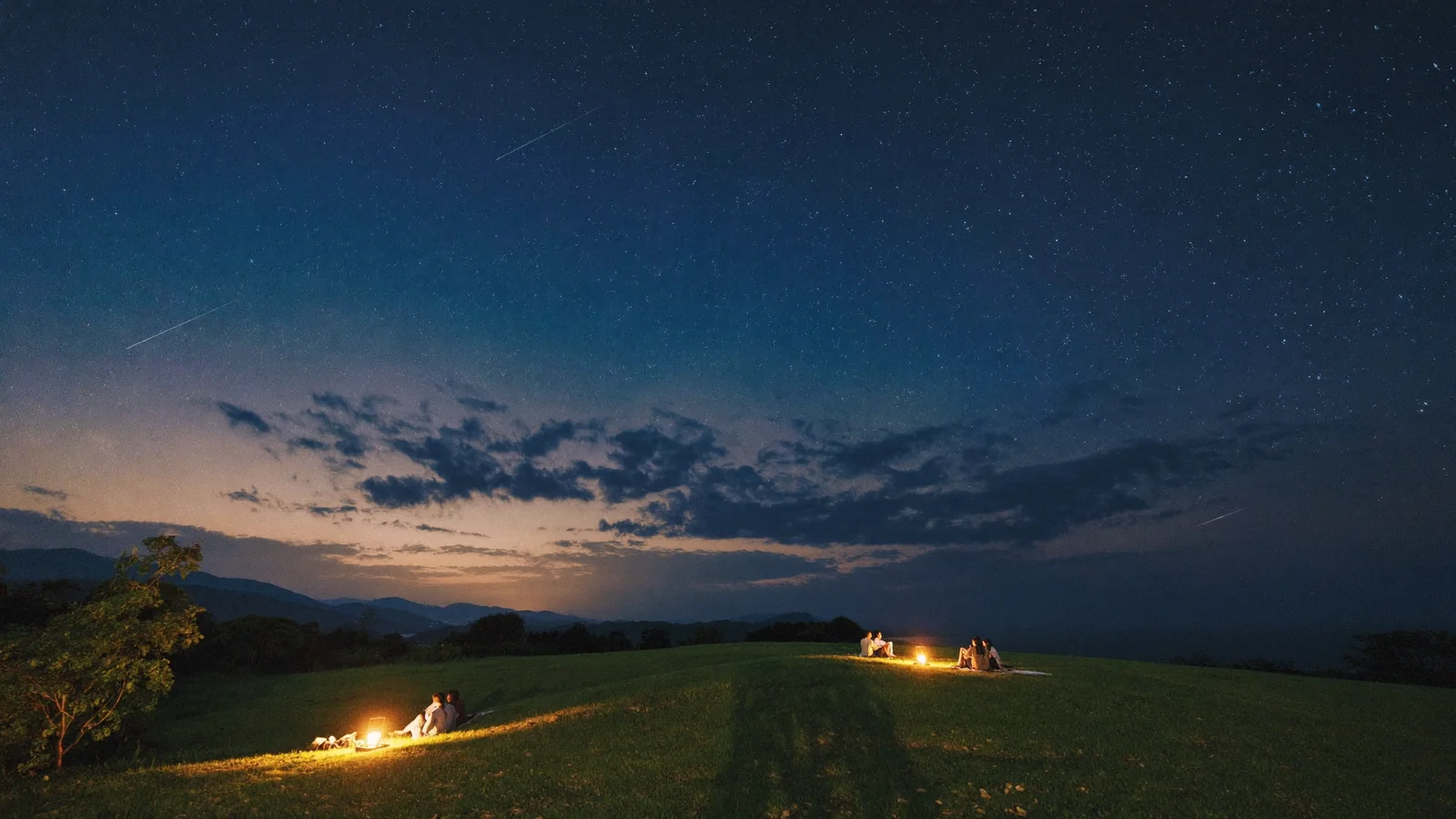
The Perseid meteor shower is the highlight of the summer sky, and in 2026 Hong Kong gets a rare gift: the peak falls on a new-moon night, so there is no bright moon to wash out the show. Set your alarm for the small hours of 13 August 2026, find a dark hillside away from the city glow, and you could count dozens of shooting stars. Here is when, where and how to watch the Perseid meteor shower in Hong Kong.
In This Guide
When is the Perseid meteor shower in Hong Kong in 2026?
The shower peaks overnight on 12–13 August 2026. The Perseids are active for weeks either side, but the rates spike sharply around this date. In Hong Kong the meteors' radiant — the point in the constellation Perseus they appear to stream from — climbs in the north-east from around 10pm, and the higher it rises, the more you see.
Here is why 2026 is worth the lost sleep: the peak coincides with a new moon. Most years, moonlight drowns out the fainter meteors; this year the sky stays properly dark all night. Under ideal, unpolluted skies the Perseids can deliver up to around 100 meteors an hour — you will see far fewer through Hong Kong's light pollution, but a genuinely dark hillside still rewards patience.
The single best stretch is after midnight into the pre-dawn hours of 13 August, once the radiant is high and most of the city has gone to bed. The night of 11–12 August is a solid back-up if cloud spoils the peak. For more of the night sky year-round, see our guide to the best stargazing spots in Hong Kong.
Where are the best places to watch?
The enemy is light. You want to be as far from Hong Kong's neon as you sensibly can, with a low, open horizon. These five recognised dark-sky spots are the usual picks. All sit inside country parks, so plan transport carefully — buses and minibuses thin out late, and you may need a taxi.
1. Hong Kong Astropark (香港天文公園)
Run by the Leisure and Cultural Services Department, the Astropark was built for exactly this. It has a naked-eye observation area and mounts for telescopes, well away from urban glow. It is remote, so confirm transport back before you commit to an all-nighter.
2. High Island Reservoir East Dam (萬宜水庫東壩)
The East Dam is a favourite of Hong Kong astrophotographers for its low light pollution and unobstructed sky. There is no public transport at night, so arrange a return taxi in advance and bring everything you need — there are no shops out here.
3. Tai Mo Shan (大帽山)
The city's tallest mountain is a classic vantage point, and the height can put you above patchy low cloud. The flip side: the summit is often misty, so check the forecast and have a back-up. Nights are cooler up here even in August, so bring a layer.
4. Tai Mei Tuk & Plover Cove (大美督)
The long, open dam at Tai Mei Tuk gives you a broad eastern sky and is the most accessible of these spots by public transport. It is not as dark as deep Sai Kung, but it is a good option if you want to keep the logistics simple.
5. Sunset Peak & Ngong Ping (大東山 / 昂坪)
Sunset Peak is one of Hong Kong's finest dark-sky viewpoints, but reaching it means a real hike in the dark and should only be attempted by well-prepared groups. The Ngong Ping plateau near the Big Buddha is an easier alternative with similarly open skies.
The dark-sky spots at a glance
Hong Kong Perseid viewing spots compared
| Spot | Area | Access | Darkness |
|---|---|---|---|
| Astropark | Sai Kung | Bus + taxi | Very dark |
| High Island East Dam | Sai Kung | Taxi only | Darkest |
| Tai Mo Shan | Tsuen Wan | Minibus + walk | Dark, often misty |
| Tai Mei Tuk | Tai Po | Bus (easiest) | Moderately dark |
| Sunset Peak | Lantau | Bus + night hike | Very dark |
All sites are inside country parks with limited or no late-night transport. Check the Hong Kong Observatory forecast and confirm your return trip before setting out.
How do you actually see more meteors?
You need no telescope for the Perseids — just dark skies, patience and a bit of preparation. Get these four things right and your count goes up.
Let your eyes adjust
Give your eyes at least 20–30 minutes in the dark to reach full night vision, then keep them there. Lie back, take in as much sky as you can, and do not stare at one spot — meteors can streak across any part of the sky.
Put the phone away
A single glance at a bright white screen resets your night vision. If you must use a phone or torch, switch it to a dim red light. Tell your group to do the same.
Check the weather first
Cloud is the deal-breaker. Check the Hong Kong Observatory forecast on the day, and have a back-up night. The Hong Kong Space Museum also publishes local viewing guidance for the Perseids.
Dress and pack for the hills
Even an August night can feel cool on an exposed summit. Bring water, snacks, a mat to lie on, insect repellent and a layer. Go with others, and never rely on the last bus — carry a taxi plan.
Make a full day of it before the night sky show: pair your trip with one of our best Hong Kong hikes, a swim at a secret Sai Kung beach, or browse more of our 65 things to do in Hong Kong.
Frequently Asked Questions
Set your alarm for 13 August
Pick a dark hillside, pack a mat and a red torch, and give your eyes time to adjust. A new-moon Perseid peak like 2026's does not come around often — it is Hong Kong's best free show of the summer.