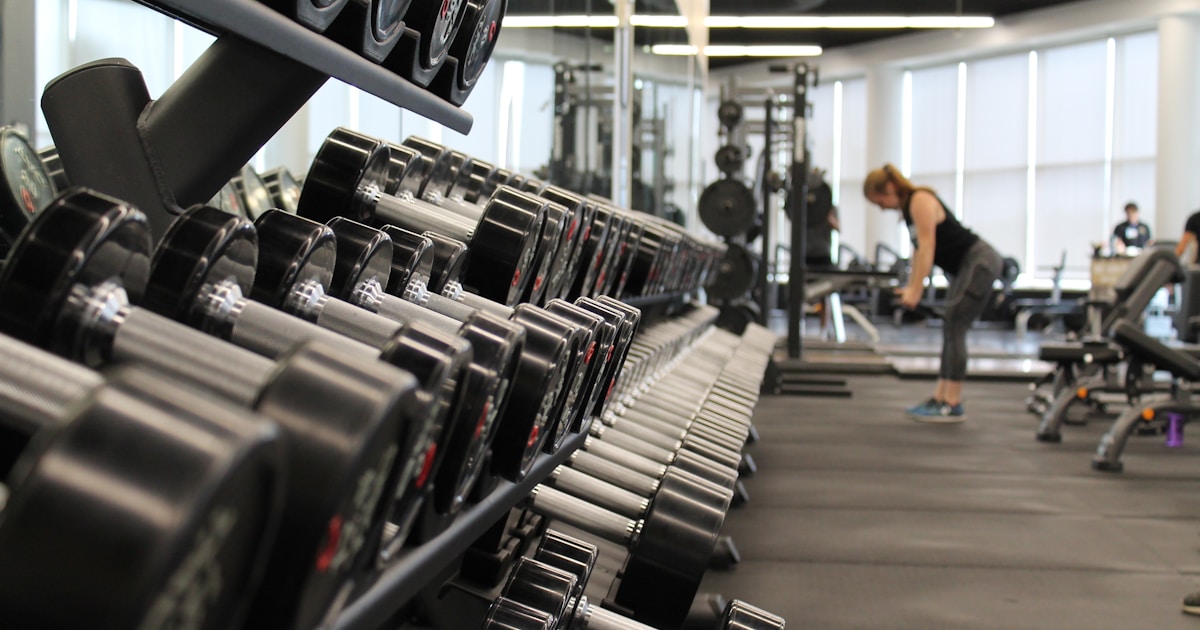
Illustration: Yum Cha Now, AI-generated. It sets the scene and is not a photograph of the venue.
Finding a place to move your body well in Hong Kong requires patience. The city is dense, space is expensive, and a gym that might occupy three floors in Tokyo or Singapore might exist here in a single floor of an office building, reached by a lift that stops at the basement car park first. This is not a complaint. It is simply the texture of physical life in a city built vertically. Once you understand the landscape, you find that Hong Kong actually has a remarkable range of fitness options, from the government-run leisure centres that are genuinely affordable and often better-equipped than their modest lobbies suggest, to boutique studios that would not look out of place in London or New York.
Hong Kong's gym scene has changed faster than almost any other part of the city's daily life: the public pools and fan-cooled weight rooms are still there, and a boutique fitness industry has grown up alongside them for those willing to pay for it. Here is where to train in Hong Kong in 2026.
In This Guide
Pure Fitness: Hong Kong's Premium Standard
Pure Fitness 純健身
Pure Fitness is Hong Kong's premium gym brand: the one that set the standard for full-service fitness in the city when it opened its first location in 2002. The facilities are consistently excellent: spacious by Hong Kong standards, well-maintained equipment, strong group class schedules, qualified personal trainers, and locker rooms with towel service. Locations include IFC Mall (Central), Langham Place (Mong Kok), One Island South (Wong Chuk Hang), Kinwick Centre (Wan Chai), and several others across the city. The membership is not cheap, but for people who use a gym multiple times a week and value the consistency of clean facilities and reliable equipment, Pure represents genuine value at scale. The multi-location access means you can train near your office in the morning and near your home in the evening on the same membership.
Fitness First: Solid, Reliable, Better Value
Fitness First 菲力斯健身
Fitness First is the sensible choice for people who want reliable, well-equipped gym facilities without the Pure Fitness price tag. The international chain has maintained a solid presence in Hong Kong, with locations across the city including Causeway Bay, Mong Kok, and Admiralty. The equipment is modern and well-maintained, the group class schedules are comprehensive (yoga, Pilates, HIIT, spin, Les Mills formats), and the personal training programmes are competitively priced. The facilities are slightly less premium than Pure (smaller changing rooms, less towel service theatre) but for the member who wants a solid full-service gym at a fraction of the premium price, Fitness First remains the most reliable answer in Hong Kong.
California Fitness and Other Full-Service Options
California Fitness has had a complicated history in Hong Kong: the original chain closed in 2016 following membership issues, but the brand has since re-entered the market in a reformed configuration. Before joining, verify the current membership structure and refund terms carefully; this applies to any full-service gym in Hong Kong, where prepaid membership disputes have occasionally been an issue in the sector.
Other full-service options worth knowing: GX Gym and various independent full-floor gyms in commercial buildings across the city. These often represent good value and can be found through word of mouth in office buildings. The quality varies considerably; visiting before committing is essential.
Boutique Studios: F45, Barry's Bootcamp, and the Group Training Revolution
F45 Training
F45 Training arrived in Hong Kong and found an immediately receptive market in the expat and young professional community. The model is simple and effective: 45-minute functional training circuits that change daily, in small-group classes with a trainer present throughout, in studios equipped specifically for the format. The workouts are genuinely challenging and genuinely varied: no two sessions are the same, which addresses the boredom problem that kills gym consistency. The community aspect is real: the small class sizes mean you recognise faces after a few visits. Locations across Hong Kong Island and Kowloon; check f45training.com/hk for the nearest studio and current class schedules.
Barry's Bootcamp Hong Kong
Barry's arrived in Hong Kong and immediately attracted the clientele who had done it in London and New York and wanted it here. The format — 50 minutes alternating treadmill running intervals with floor resistance work — is demanding in a way that is well-calibrated for people who need high intensity in a short time. The production values are high: low red lighting, loud music, instructors who know how to keep a room engaged, and the genuine difficulty of the workout. It is not inexpensive, but the quality is consistent and the 50-minute format fits Hong Kong's work rhythms well. Locations in Central and Causeway Bay.
CrossFit HK: The Box Community
CrossFit HK Boxes
The CrossFit community in Hong Kong is tight-knit, well-established, and genuinely committed. Several affiliated boxes operate across the city — CrossFit South Asia (one of the original HK boxes), CrossFit Kingsford, and others in Wan Chai, Sai Ying Pun, and Kowloon. The CrossFit model — constantly varied functional movements at high intensity, performed in a community setting with coached classes — has proven well-suited to Hong Kong's culture of hard work and community. The Olympic lifting component in particular attracts athletes who want technical coaching, and the boxes typically have qualified coaches who can teach the snatch and clean-and-jerk safely. Monthly fees are comparable to boutique studios. The community aspect is the strongest differentiator: CrossFit members in Hong Kong tend to socialise beyond the gym.
Climbing Gyms: Attic v3/v4 and Big Rock
Attic v3 and Attic v4 — Indoor Climbing
Attic v3 (Mong Kok) and Attic v4 (Quarry Bay) are Hong Kong's most established indoor climbing facilities, and between them offer both bouldering and rope climbing in spaces that are spacious by Hong Kong standards. The route-setting is regularly refreshed, which keeps the experience interesting for regulars. Attic has been a significant part of growing Hong Kong's climbing community: the sport has expanded considerably in the city over the past decade, partly due to HK climbers' success in international competition. The gyms have rental equipment for beginners, introductory courses, and competitive-level training programmes for more advanced climbers.
Big Rock Climbing 大石攀岩
Public Leisure Centres and Swimming Pools: The Affordable Option
Hong Kong's government-run leisure centres are a genuine secret to long-term residents who have learned to look past their functional lobbies. The Leisure and Cultural Services Department (LCSD) operates dozens of leisure centres across the city, most of which include gym facilities with a reasonable range of cardiovascular and resistance equipment. The cost is remarkably low: approximately HKD 27 per session, or monthly passes that represent extraordinary value. The equipment is not as new as Pure Fitness, but it is maintained and serviceable.
LCSD Public Gym and Pool Guide
- Gym admission: ~HKD 27 per session at LCSD leisure centres. Monthly and annual passes available. Concessions for students, seniors, and people with disabilities.
- Public swimming pools: HKD 17-28 per session at government pools (Victoria Park Pool, Morrison Hill Pool, Kennedy Town Swimming Pool, and many more). Some have heated pools. Early morning and weekday sessions are least crowded.
- Key LCSD leisure centres with good gyms: Quarry Bay Sports Centre, Kennedy Town Recreation Centre, Southorn Playground (Wan Chai), Jordan Valley Recreation Centre (Kowloon).
- How to book: LCSD booking via leisure.gov.hk, online booking available for pools and some gym sessions.
- Peak times: Post-work (6–9pm) is busy at all LCSD facilities. Early morning (6–8am) and midday are significantly quieter.
For the person who wants to swim regularly in Hong Kong, the public pool system is a genuine gift. Several pools open as early as 6:30am, and a 25- or 50-metre lane swim before work, for less than HKD 30, represents one of the best-value morning rituals the city offers. It is hard to recommend it too strongly.
For wellness beyond the gym, see our guides to the best yoga studios in Hong Kong, meditation and mindfulness studios, and healthy eating in Hong Kong.
Frequently Asked Questions
More Wellness in Hong Kong
Yoga, meditation, healthy eating: YumChaNow covers Hong Kong's wellness scene.