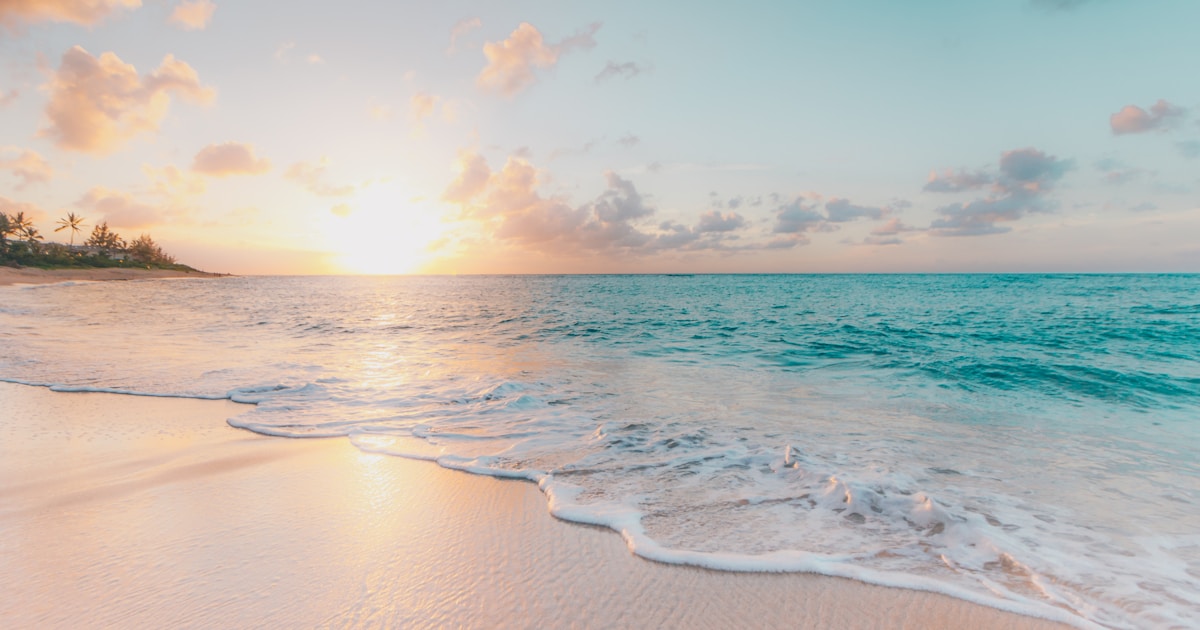
Illustration: Yum Cha Now, AI-generated. It sets the scene and is not a photograph of the venue.
There is something quietly miraculous about Hong Kong's relationship with the sea. Twenty minutes from the glass towers of Central, you can be spreading a towel on clean sand, watching a child discover a hermit crab in a rock pool, and listening to nothing more urgent than the sound of waves. For a city of eight million people, Hong Kong guards this secret better than it should.
Newcomers hear that Hong Kong's beaches are good. Few are prepared for how good: not just Repulse Bay, the one everyone knows, but a whole archipelago of secret coves, wide family beaches, and utterly wild stretches of coast that feel a world removed from the city's density. This is that guide.
In This Guide
Repulse Bay: The Classic
Repulse Bay (淺水灣) earns its reputation honestly. The wide crescent of sand, the calm shallow water, the row of pastel changing rooms, the shark nets that hold the sea gently at bay. It is Hong Kong's most family-friendly beach by design, and it shows. On a Saturday morning in July, it is packed. This is both its weakness and, strangely, part of its charm: the sight of so many families, so many generations, all sharing the same patch of sea, has a warmth to it that quieter beaches cannot quite match.
The sand here is fine and pale, the water calm enough for toddlers in the designated shallow zones. Lifeguards are stationed throughout the season and are genuinely attentive. The shark net extends across the full swimming zone. Showers, changing rooms, toilets, and lockers are all well-maintained. There are two rows of free BBQ pits in the park behind the beach: arrive by 10am on a weekend to claim one. Restaurants and cafes line the promenade, with everything from congee to pasta at varying price points. There is also a Wellcome supermarket nearby for provisions.
The gaps in the retaining wall at the eastern end of the beach, said to let spirits pass through, are a piece of local lore worth sharing with curious children. The Kwun Yam shrine at the eastern headland is a small detour worth taking: incense, figurines, and a quiet sensory world entirely unlike the beach below.
Stanley Main Beach
Stanley (赤柱) is an afternoon rather than a full beach day, and this is precisely its appeal for families who want something more than just sand. The main beach itself is modest: roughly 200 metres of dark golden sand, busy on weekends, with lifeguards and basic facilities. The water is generally calm. But the real draw is the village setting. Stanley Market is a ten-minute walk from the beach. Stanley Plaza has restaurants and a children's play area. The promenade carries you past temples, colonial buildings, and a persistent salt breeze that makes the whole neighbourhood feel unhurried.
I like Stanley for families who have already done Repulse Bay. It rewards wandering. After an hour in the water, you walk to the market, browse stalls selling linen shirts and ceramic charms, eat a curry at one of the Indian restaurants on the main drag, and then walk back along the waterfront to catch the bus home. It is a full day, unhurried, with a child's hand in yours.
Shek O Beach
Shek O (石澳) is Hong Kong Island's wild card. The village at the end of the long road from Shau Kei Wan is one of Hong Kong's last genuinely relaxed beachside communities: low-rise, unhurried, with a handful of Thai and Chinese restaurants and a beach that stretches a generous 300 metres. The sand is coarser than Repulse Bay's, the water slightly greener, and the surrounding headlands give the whole bay a theatrical framing. On weekdays, it is quiet enough to feel like your own discovery.
BBQ pits are available in the wooded area behind the beach, a wonderful spot for a late afternoon fire as the heat begins to ease. The Thai restaurant Big Wave Bay Thai (confusingly close to Shek O despite the name) is a local favourite for post-swim noodles. Watch out for the tidal rocks on the eastern side of the beach, they're perfect for rock-pooling but require care with smaller children.
Clear Water Bay First and Second Beach
The two Clear Water Bay beaches (清水灣第一灘 and 清水灣第二灘) on the Sai Kung Peninsula are among the most consistently recommended by families who care about water quality. The sea here, on the open side of the peninsula facing the Pacific, is genuinely clearer and bluer than many urban-adjacent beaches. Second Beach is the larger and better-equipped of the two: a long, elegant strip of sand with good facilities and BBQ pits that feel less frantic than those at Repulse Bay.
First Beach, a short walk further along the road, is smaller and often quieter. The Tin Hau Temple at the southern tip of the second beach is one of Hong Kong's most important: worth a respectful visit with children old enough to appreciate the incense and the sea-goddess mythology. The walk between the two beaches takes about fifteen minutes and offers fine views of the South China Sea.
Tai Long Wan, Sai Kung, For the Adventurous Family
There is a beach at the end of Sai Kung's MacLehose Trail that Hong Kong keeps to itself. Tai Long Wan (大浪灣) (literally "Big Wave Bay," though it shares this name with a beach on Hong Kong Island) consists of four linked beaches in a remote valley accessible only on foot or by kaito boat. The water is an astonishing shade of aquamarine. The sand is white-gold. There are no resorts, no crowds in the way that Repulse Bay has crowds, and a profound sense of having earned your afternoon.
For families with young children, the kaito is the answer. The boats leave from Sai Kung Town pier: negotiate a return trip with the operators at the waterfront, typically HKD 80–150 per person. They'll drop you at Ham Tin Wan beach (鹹田灣), the most accessible of the four, where a small noodle shack provides the day's only menu. Bring water, sunscreen, and something for the children to dig with. There are no shops, no cafes, no changing rooms. This is the freedom of a beach that has refused modernity.
For older children and fit families, the MacLehose Trail hike from Pak Tam Au is excellent: dramatic coastal scenery, manageable terrain, and the reward of arriving on foot. Allow two hours each way and carry plenty of water. See our guide to outdoor activities in Hong Kong for more trail detail.
Cheung Sha Beach, Lantau Island
Lantau's Cheung Sha (長沙) beach is the longest in Hong Kong: approximately three kilometres of pale sand split into Upper and Lower sections. Upper Cheung Sha has a small restaurant: The Stoep, a well-regarded South African-run café, and basic facilities. Lower Cheung Sha, a five-minute walk further, is wider, quieter, and has more BBQ pits. Both sections have lifeguards during season. The sand quality here is exceptional: fine and clean, backed by casuarina trees that provide welcome shade.
Cheung Sha pairs beautifully with the Big Buddha and Ngong Ping for a full Lantau day trip. Catch the early ferry, visit Ngong Ping in the morning (cooler, before the tour groups arrive), then descend to Cheung Sha for the afternoon. Take the last ferry home replete and sandy-footed. For the full Lantau family day, see our guide to family day trips from Hong Kong.
Silvermine Bay (Mui Wo), Lantau Island
Silvermine Bay (梅窩泳灘) is what happens when a beach is perfectly calibrated for young children. The water is shallow — walking out fifty metres, an adult reaches waist height — and the gradient so gentle that even toddlers can splash safely at the edge. The beach is wide and moderately long, backed by green hills rather than apartment blocks. The facilities are good: showers, changing rooms, lifeguards during season. A small restaurant operates near the beach. And the ferry ride from Central — thirty-five minutes across the harbour to Mui Wo, watching the city recede — is an adventure in itself.
Mui Wo village, a five-minute walk from the pier, has several restaurants and cafes. The Silver Mine Waterfall is a short hike from the village, forty-five minutes return, and makes a nice morning activity before the beach. Bicycle hire is available near the pier (approximately HKD 30–50 per hour); the flat cycle path along the southern Lantau coast is entirely manageable for children. This is perhaps Hong Kong's most complete family beach destination.
Practical Beach Tips for Families in Hong Kong
Quick Comparison: Best Family Beaches
| Beach | Best For | Facilities | Crowd Level | Getting There |
|---|---|---|---|---|
| Repulse Bay | All ages, first-timers | Excellent | High (weekends) | Bus from Central |
| Stanley | Beach + village day | Good | Medium | Bus from Central |
| Shek O | Older children, adventurous | Good | Medium | MTR + Bus 9 |
| Clear Water Bay 2nd | Water quality, BBQ | Good | Medium | Bus from Tseung Kwan O MTR |
| Tai Long Wan | Adventure families (8+) | Minimal | Low | Hike or kaito boat |
| Cheung Sha | Long beach, best sand | Good | Low–Medium | Ferry + bus |
| Silvermine Bay | Toddlers, young children | Good | Low–Medium | Ferry from Central |
Typhoon warnings: When a T3 or above signal is hoisted, beaches close immediately. Always check the Hong Kong Observatory app before setting out in summer. T8 signals mean all outdoor activities should be suspended.
Water quality: The Environmental Protection Department publishes weekly beach water quality grades during the season. Beaches are rated Excellent, Good, Fair, or Poor. Repulse Bay, Clear Water Bay, and the Lantau beaches consistently rate Excellent.
Shark nets: All government-managed beaches have anti-shark nets during the April–October season. Outside these months (and in non-netted areas), be aware that shark sightings, while rare, do occur in Hong Kong waters.
Sun protection: Hong Kong's UV index regularly exceeds 10 (Extreme) from May to September. SPF 50+ sunscreen, reapplied every two hours, is non-negotiable. A UV-protection rash vest for children is a wise investment.
For more family adventures beyond the beach, see our guide to best kid-friendly activities in Hong Kong and our round-up of Hong Kong's best islands.
Frequently Asked Questions
More Hong Kong Family Adventures
From island day trips to hidden hiking trails: YumChaNow covers every outdoor adventure Hong Kong has to offer.