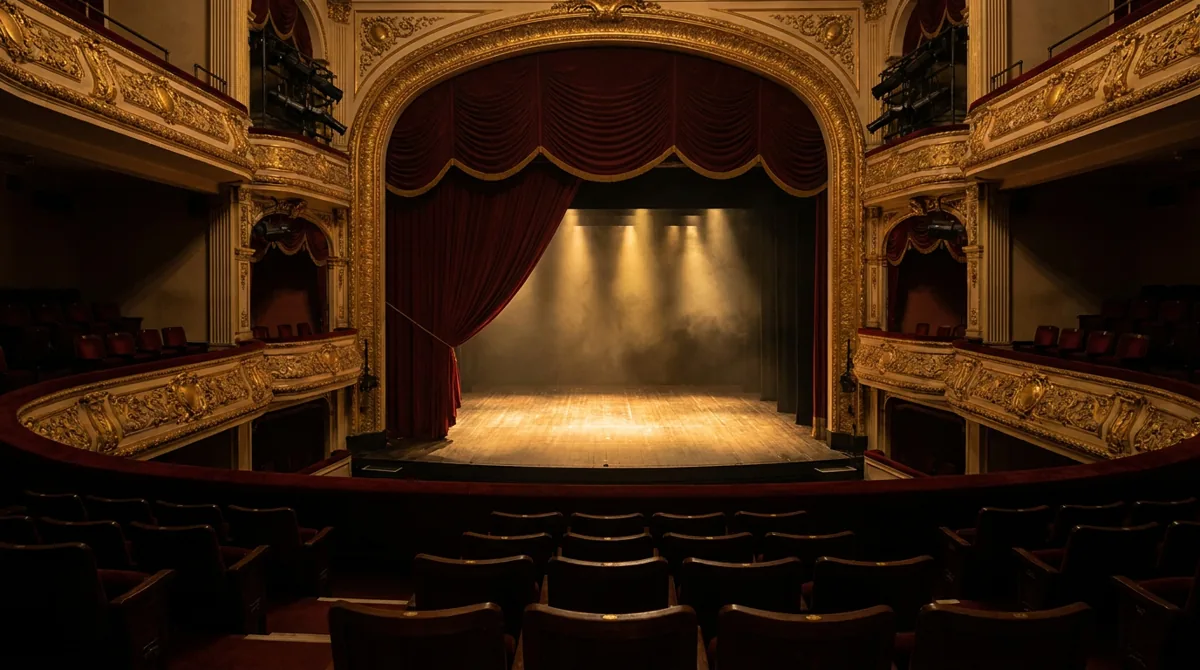
Illustration: Yum Cha Now, AI-generated. It sets the scene and is not a photograph of the venue.
Long before Hong Kong had skyscrapers, it had Cantonese opera — a 300-year-old blaze of falsetto song, embroidered silk, painted faces and acrobatic swordplay. Recognised by UNESCO as intangible cultural heritage, it is still performed across the city, from a glossy West Kowloon theatre to temporary bamboo playhouses thrown up for temple festivals. This 2026 guide shows you where to see Cantonese opera in Hong Kong, what a ticket costs, and the easiest way in for a first-timer.
In This Guide
Where can you watch Cantonese opera in Hong Kong?
Since the much-loved Sunbeam Theatre in North Point closed in 2025, the art form's centre of gravity has shifted to a handful of major stages. These three were all active in 2026. For a fuller list, the Hong Kong Tourism Board keeps a running guide.
1. Xiqu Centre (戲曲中心)
The purpose-built home of xiqu, opened in 2019 at the eastern gateway of the West Kowloon Cultural District. Its Grand Theatre stages full-length Cantonese operas by leading troupes, while the intimate Tea House Theatre runs a shorter, visitor-friendly programme (more on that below). The building itself — a curtain of shimmering scales wrapped around a floating theatre — is worth the trip alone.
2. Ko Shan Theatre (高山劇場)
Run by the government's Leisure and Cultural Services Department, Ko Shan Theatre and its purpose-built New Wing are among the city's most active Cantonese opera stages. This is where troupes mount full three- and four-hour productions for an audience of devoted regulars — a more traditional, less touristy experience than West Kowloon.
3. Hong Kong Cultural Centre (香港文化中心)
The harbourfront Grand Theatre here hosts the biggest Cantonese opera productions and star turns, and is a key venue for the summer Chinese Opera Festival. With near-2,000 seats and a prime Victoria Harbour setting, it is the place to catch a celebrated cast on a grand scale.
The easiest way in: the Tea House Theatre
If you have never seen Cantonese opera and do not speak a word of Cantonese, start here. The Tea House Theatre Experience at the Xiqu Centre is a purpose-designed introduction: a roughly 90-minute showcase of songs, music and performance excerpts, staged in an intimate 168-seat hall styled like an old teahouse, with tea and dim sum served at your table.
The programme is performed by the resident Tea House Rising Stars Troupe and comes with an accessible introduction, so you leave understanding what you have just watched. Tickets start from about HK$300, including refreshments. It runs in seasons through the year, so check westk.hk for the current schedule and times before you book.
What about the festival bamboo theatres?
For the most atmospheric — and most local — way to see Cantonese opera, look out for san gung hei (神功戲), ritual operas staged for the gods during temple festivals. These are performed in vast temporary bamboo-and-zinc theatres built by hand and dismantled days later.
They pop up around festivals such as Tin Hau's birthday (spring), the Cheung Chau Bun Festival and the Yu Lan (Hungry Ghost) Festival in summer. Admission is often free or nominal for the community. Dates shift with the lunar calendar, so watch the local news and our arts and culture guide for listings.
Is Cantonese opera hard to follow?
Less than you would think. Full productions run three to four hours, and audiences traditionally drift in and out, snack and chat — so there is no pressure to sit rigid for the duration. Major venues run Chinese and English surtitles, and the Tea House Theatre adds a spoken introduction.
It helps to know the four role types — sang (male), daan (female), zing (painted face) and cau (comic) — and to listen for the percussion that drives every fight and entrance. The closure of North Point's 50-year-old Sunbeam Theatre in 2025 was a reminder that this is a living tradition under pressure; seeing a show is the best way to keep it alive.
Cantonese opera venues at a glance
| Venue | Area | Best for | Tickets* |
|---|---|---|---|
| Xiqu Centre | West Kowloon | First-timers, Tea House taster | From ~HK$300 |
| Ko Shan Theatre | Hung Hom | Full traditional productions | ~HK$100–400 |
| HK Cultural Centre | Tsim Sha Tsui | Grand productions, festivals | ~HK$150–600 |
| Bamboo theatres | Varies | Atmosphere, tradition | Often free |
*Prices are approximate and vary by production and cast; verified where published, July 2026. Check westk.hk or URBTIX for current shows.
Cantonese opera is one thread in Hong Kong's rich cultural weave. Dig deeper with our Hong Kong arts and culture guide, plan a day around the city's best museums, admire the treasures at the Hong Kong Palace Museum, or time your visit with Art Basel Hong Kong.
Frequently Asked Questions
Book a show
Start with the Tea House Theatre, then work up to a full production. Cantonese opera is Hong Kong's most spectacular living tradition — and it is easier to see than you think.