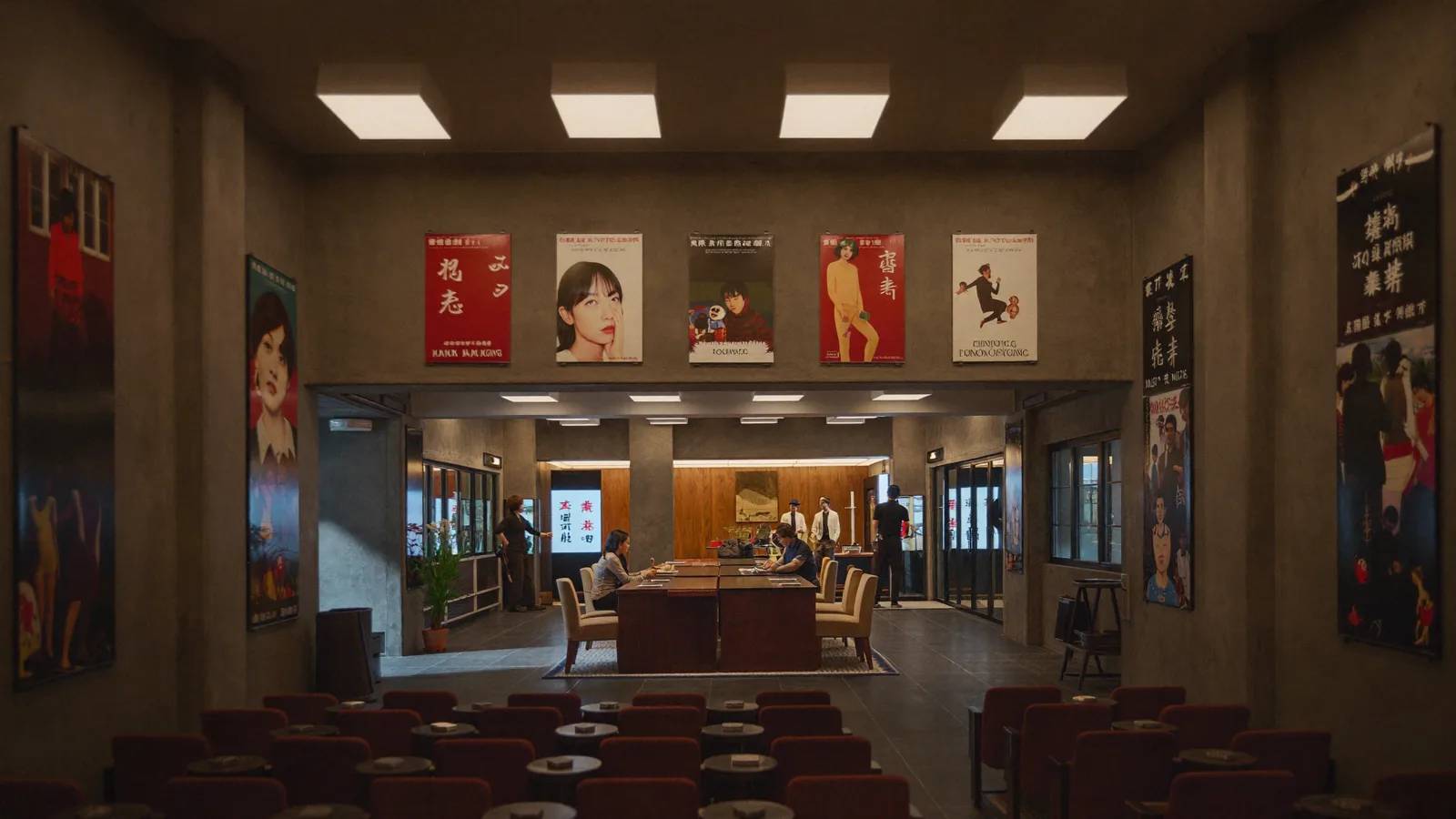
Illustration: Yum Cha Now, AI-generated. It sets the scene and is not a photograph of the venue.
Hong Kong is a multiplex city. The malls are full of gleaming screens showing whatever Hollywood and the Mainland box office are pushing this week, and there's nothing wrong with that. But if you want something stranger, slower or simply better (a restored 1970s classic, a Cannes prizewinner, a documentary nobody else is showing) you need to know where the city keeps its art house cinemas.
The good news: Hong Kong's film culture runs deep, and the venues that serve it are some of the most characterful spaces in the city. This is my guide to the best art house cinemas in Hong Kong: the screens worth crossing the harbour for, with everything you need to actually get there.
In This Guide
Broadway Cinematheque, Yau Ma Tei
Broadway Cinematheque (百老匯電影中心) The Classic
If Hong Kong has a temple of art house cinema, this is it. Tucked into the Prosperous Garden housing estate in gritty, brilliant Yau Ma Tei, Broadway Cinematheque has spent decades screening a far wider spectrum of film than any mall multiplex: independent features, world cinema, and rich retrospective programmes that delve into the work of legendary directors. Its four screens are modestly sized but well run, and the whole place hums with genuine film-nerd energy. Crucially, it's also home to Kubrick, a superb bookshop specialising in film titles, with an adjoining café that's a destination in its own right. Come for a screening, stay for an hour browsing books and arguing about Wong Kar-wai.
M+ Cinema, West Kowloon
M+ Cinema The Cinephile's Choice
When the M+ museum of visual culture opened in West Kowloon, it brought with it a cinema worthy of the building. M+ Cinema runs three screening houses of varying sizes (180, 60 and 40 seats), and the programming is exactly what you'd hope from a serious art museum: feature films, documentaries, video art, restored classics and indie titles, often built into thematic seasons that connect to the galleries upstairs. The technical set-up is excellent, digital plus 35mm and 16mm projection and Dolby sound, which means it's one of the few places in the city you can reliably catch a film on actual celluloid. Pair a screening with the museum and you have a full, civilised day on the Kowloon waterfront.
Louis Koo Cinema, Wan Chai
Louis Koo Cinema, Hong Kong Arts Centre (香港藝術中心) Cine Fan Home
The single-screen cinema in the basement of the Hong Kong Arts Centre on the Wan Chai waterfront has been a fixture of the city's art house scene for years (long known as the agnès b. Cinema, and renamed the Louis Koo Cinema in 2019 after a major donation from the actor. It's the long-standing home of the beloved Cine Fan programme, which curates seasons of world auteurs, retrospectives and restored masterworks: the 2026 line-up has featured the likes of American independent pioneer John Cassavetes and Egyptian master Youssef Chahine). It's an intimate, serious room for serious cinema, and a regular HKIFF venue too.
Premiere Elements, West Kowloon
Premiere Elements Premieres & Festivals
Not a pure art house in the Broadway mould, but it earns its place: Premiere Elements, the multi-screen cinema inside the Elements mall above Kowloon Station, screens a wide range from Hollywood blockbusters to indie premieres and arthouse titles, and it regularly hosts film festivals and special events, concerts, ballets, even live sport. The seats are luxurious and the location is hyper-convenient. For the cinephile, it's the comfortable end of the art house spectrum: a place to catch a festival screening or a limited-release indie without sacrificing legroom. Worth keeping on your radar when the festivals roll into town.
Festivals worth planning around
Hong Kong's art house calendar peaks around its festivals, and the big one is the Hong Kong International Film Festival, which returns for its landmark 50th-anniversary edition in 2026, spread across M+ Cinema, the Louis Koo Cinema and grander venues like the Cultural Centre. It's the single best fortnight of the year to gorge on world cinema in this city.
Beyond HKIFF, the year is dotted with smaller showcases: the Cine Fan seasons at the Louis Koo Cinema run more or less continuously, and M+ programmes its own experimental and avant-garde strands. If you want a primer on the city's cinematic canon before you go, our list of the 50 greatest Hong Kong films is the place to start, and our round-up of the best new films in Hong Kong cinemas tracks what's screening right now.
Tips for the art house cinema-goer
Get the most out of it
- Book online. Limited-release and festival titles sell out; advance booking beats turning up.
- Check the language & subtitles. World cinema is usually subtitled in English and/or Chinese: listings specify which.
- Look for membership perks. Broadway's bcinephile scheme and similar programmes offer discounts for regulars.
- Build a day around it. M+ pairs with the museum; Broadway pairs with Kubrick and Temple Street nearby.
- Mind the festival rush. During HKIFF, popular screenings go fast: plan your picks early.
- Concessions exist. Students and seniors get reduced rates at most of these venues.
Frequently Asked Questions
More to Watch in Hong Kong
From indie screens to IMAX, festivals to film classics, YumChaNow has the city's cinema scene covered. Find your next great watch.